Comprehensive guide covering the tile import process from India, packaging standards, logistics considerations, and required certifications.
India is a major global tile producer, offering competitive pricing and quality products. Importing tiles from Indian manufacturers requires understanding export processes, logistics, quality standards, and regulatory requirements.
Export Process Overview:
Indian tile manufacturers are accustomed to international exports and typically handle documentation requirements. The process involves quotation requests, purchase orders, quality agreements, and shipping arrangements. Most manufacturers offer FOB (Free on Board) and CIF (Cost, Insurance, and Freight) pricing options.
Quality Assurance:
Reputable Indian manufacturers maintain ISO certifications and quality control standards comparable to international producers. Third-party quality inspections before shipment verify compliance with specifications. Request sample tiles before committing to bulk orders.
Packaging Standards:
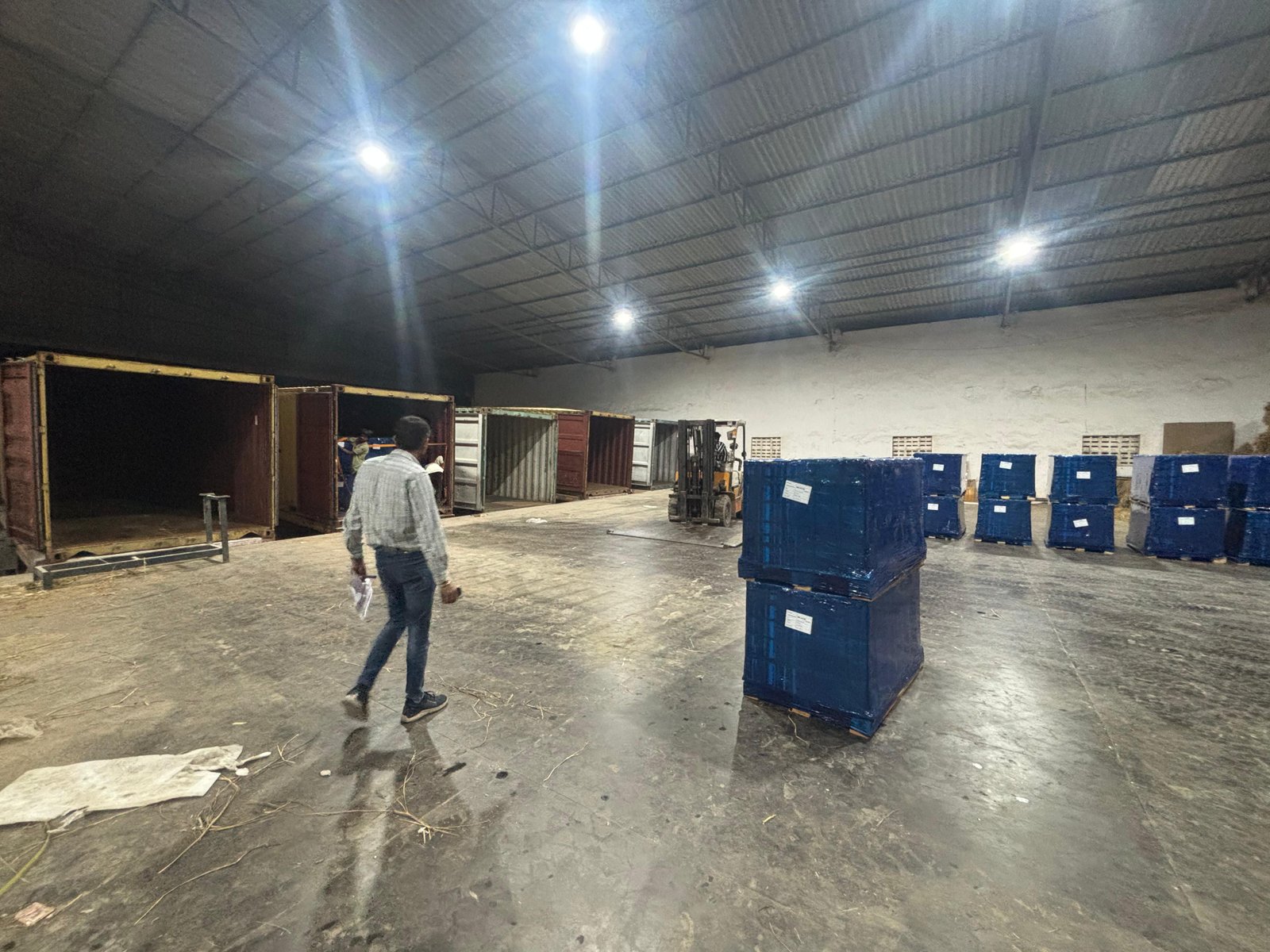
Tiles are typically packaged in cardboard cartons with foam protection. Wooden pallets facilitate safe shipping and handling. Packaging includes documentation detailing product specifications, quantities, and destination information.
Logistics and Shipping:
Ocean freight is the most economical method for large shipments from India. Shipping typically requires 3-4 weeks depending on destination ports. Container loads provide the most cost-efficient shipping arrangements.
Customs and Documentation:
International shipping requires proper documentation including commercial invoices, packing lists, and bills of lading. Customs duties and import taxes vary by destination country. Tariff classifications may apply to specific tile types.
Import Certifications:
Tiles must meet destination country standards for safety and performance. Some regions require compliance certifications for specific applications. Request manufacturers provide necessary compliance documentation.
Regulatory Compliance:
Different countries have varying regulations for imported tiles. Some regions require specific labeling or documentation. Environmental regulations may affect import requirements for certain products.
Cost Considerations:
Indian tile prices are competitive due to lower labor costs and efficient production. Additional costs include shipping, insurance, customs duties, and import taxes. Volume purchases result in significant per-unit savings.
Selecting Reliable Manufacturers:
Research potential suppliers and verify their export experience and reputation. Check references from other international customers. Verify manufacturers hold necessary export licenses and certifications.
Building Supplier Relationships:
Developing long-term relationships with reliable suppliers ensures consistent quality and pricing. Regular communication about specifications and requirements prevents misunderstandings. Payment terms and conditions should be clearly established.
Back to Home